
The year is 2016…
The bus started from Raipur stand at 10PM. I type into the Google Search Bar, “Why is the term red corridor?”
The screen flashes back; ‘red corridor refers to the belt of nearly fifty districts in India across the states of Maharashtra, Andhra Pradesh (undivided), Chhattisgarh, Jharkhand, and Odisha, where Naxalite-Maoist1 insurgency is active. Red because of the communist ideology and corridor because it forms a contiguous, largely forested, mineral-rich and underdeveloped region.’
At this time, I was beginning to expand on the idea that some young people will be offered a fellowship to live and work in primary education as part of civil society in the Sukma region of south Chhattisgarh. For this idea to fly, rather sit morally well with me that it was not an unwarranted bravado whose downside was not mine to bear, the least that could be done was to visit the area for a few days.
In the 2011 landmark ruling of Nandini Sundar v.s. State of Chhattisgarh, the Supreme Court of India declared the state sponsored Salwa Judum2 militia as unconstitutional, ordering immediate disbandment. It noted that arming tribal youth as Special Police Officers (SPO) to fight Naxalites violated Articles 14 and 21 of the Constitution. With this as the backdrop, Sukma, hitherto a tehsil within Bastar, became a zilla in 2012. But not before its share of brutality, displacement and human rights violation that will leave a deep wound in the psyche of the people, more so children.
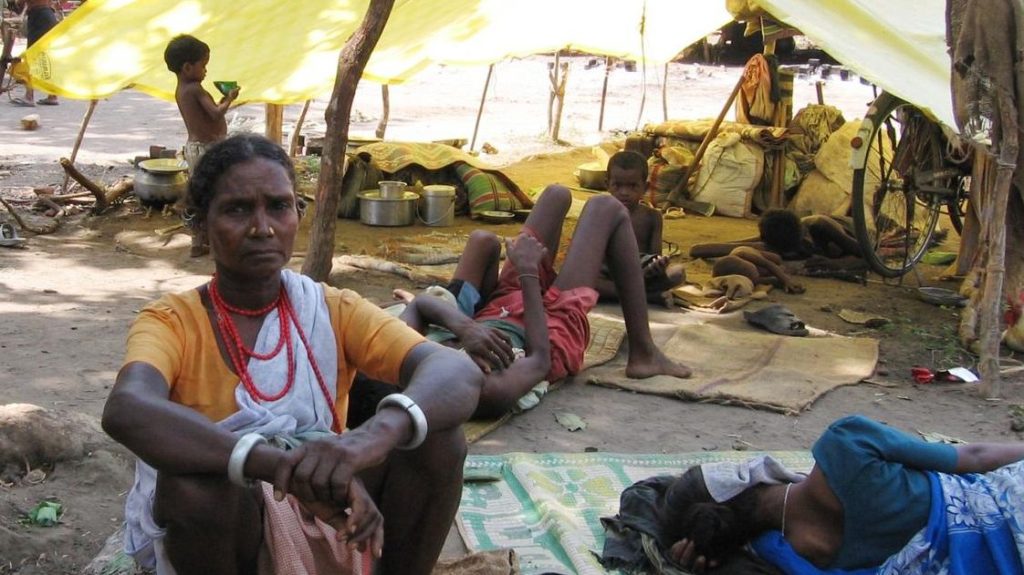
This 2006 file photo shows Adivasi inmates at a base camp run by Salwa Judum in Dornapal of Dantewada district of Chhattisgarh. Photo credit: The Hindu
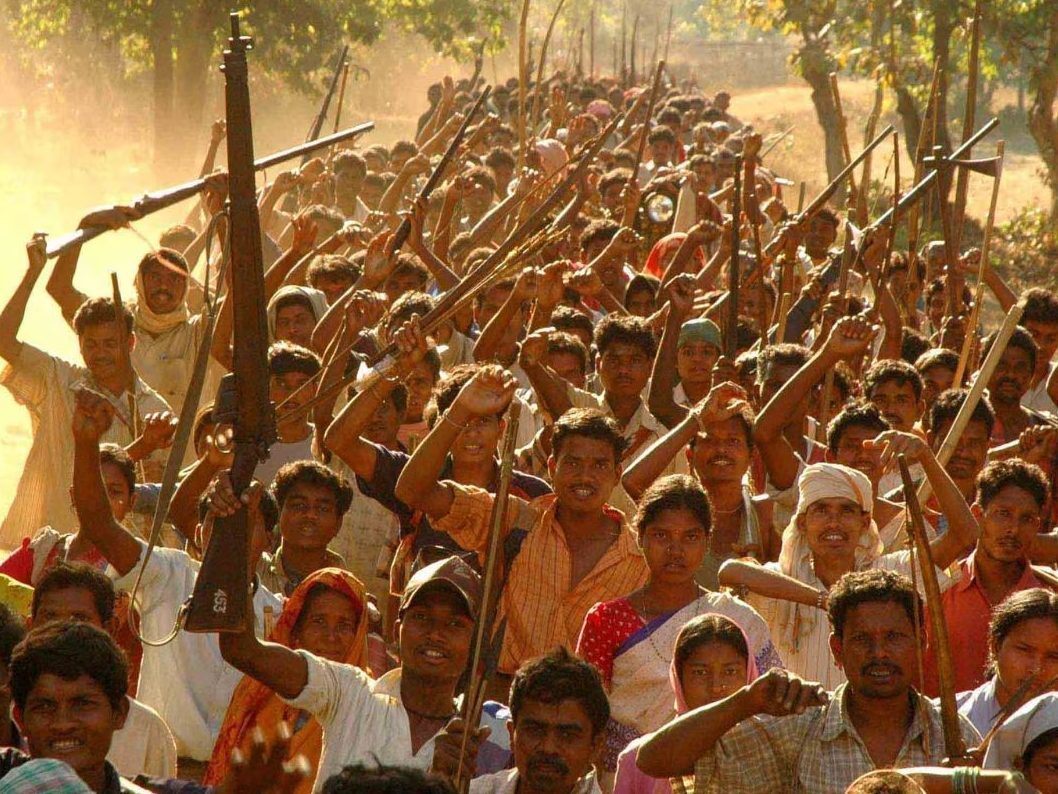
The first ever visual of a Salwa Judum procession, comprising tribal people from villages annexed by Judum activists. Photo credit: Indian Express
With high walls and small windows, the government schools spread across the region became ideal to be barracks. It is alleged3 that school premises were used to detain, torture and fire upon the villagers who were unwilling to leave for the Salwa Judum camps.
The Salwa Judum camps were meant to evacuate villagers from the ‘Liberated Zones’, so that security forces could undertake a thorough combing action to oust Naxalites and reclaim the area. These camps were notorious as hubs where human rights abuses were rampant.
In retaliation, the schools were demolished by Naxalites with help from the villagers so that the forces could be rendered weaker. With this, the entire foundational education infrastructure of the region was gone.
Various estimates put the number of demolished schools to around two hundred in the Bastar region alone. The Porta (portable) Cabins, were makeshift residential bridge schools that came up in the wake of this, as safe spaces for children, adjoining the security forces’ camps.
While villagers moved to Salwa Judum camps, the children were sent here (also called Pota Cabins, ‘pota‘ being the word for stomach in Gondi language). The Porta Cabins were not without its share of challenges and brutalities. After the 2011 ruling, while villagers started returning to their homes, Salwa Judum militia took refuge within the security forces’ camps.
In close proximity and under heavy surveillance of the security forces, the Porta Cabins sustained; where children continued to stay. The experiences of these children can be anyone’s guess.
Sitting as the symbol, at the heart of this long drawn conflict, nearly sixty Porta Cabins continued being over populated with over seven hundred children in each; originally meant for half of that. Dismal living conditions, inadequate education and hard wired with incidents of neglect, violence, and sexual harassment; things were bleak.
The Porta Cabins stood as witnesses of everything that happened inside and around it during this era.
The very place where children were ‘collected’ assuring safety and healing, it’s genesis and identity was rooted in war and grief. What would the children think about, every day, as they woke up within the premises of these cabins, next to the security forces’ camps? And how is one to imagine that they will think of hopefulness? How does one assume a new identity in an old place?
In 2016, as one civil society organization took courageous steps to work on the education in the Porta Cabins of Sukma, aligning and supporting them was a no-brainer to me. The district administration was also pumped to implement a ‘Comprehensive Education Development Plan’ with the aim to bring back children to the schools.
The year is 2024…
Over a short notice, I find myself in Sukma again. The conflict has far from ended. It may have subdued, morphed even, and I leave you to read about it in articles added to the reference list at the end. Much water has flown. One is but guilty of a myopic viewing of what they seek. My search for purposeful work eight years ago ended at understanding the conflict and the status of education. The search for identity this time, was bound to take on a sojourn, further back in time.
Starting in 1958, the GoI settled thousands of Hindu Bengali refugees of lower castes, Namasudras4, from East Pakistan (now Bangladesh) in the Bastar region of Madhya Pradesh (now Chhattisgarh) and Odisha as part of the Dandakaranya5 Project. It aimed to turn wasteland into productive agricultural land, initiate regional development, and provide dignified living to the refugees who continued pouring in from the eastern border through the 1947 to 1971 period. Albeit, the region also was blessed with mineral wealth and large scale public infrastructure projects were lurking not too far into the future.
The local tribal people viewed the settlers as land-occupiers who were favoured by the government and used as puppets to ready the region for massive natural resource extraction. This led to deep resentment between the two. In many cases, the settlers were more educated and economically adept, taking up jobs and land and building strong asset bases. In a one sided competition, the indigenous, largely illiterate tribal population were fast losing to the mainstreaming agenda.
The Bengali settlers themselves were victims of political upheaval when they were moved into this alien and rather hostile geography.
Hailing from coasts and traditionally engaged in agriculture, fishing, and boating; the refugees were fish without water in Dandakaranya. Their own immigration story was rooted in blood-shed and state fuelled violent eviction back in West Bengal. We will skip that story for another day. Unfortunately, the shared plight between the two communities was no ground for peace. The eventual rift was systemic, rooted in scarcity and inevitable.
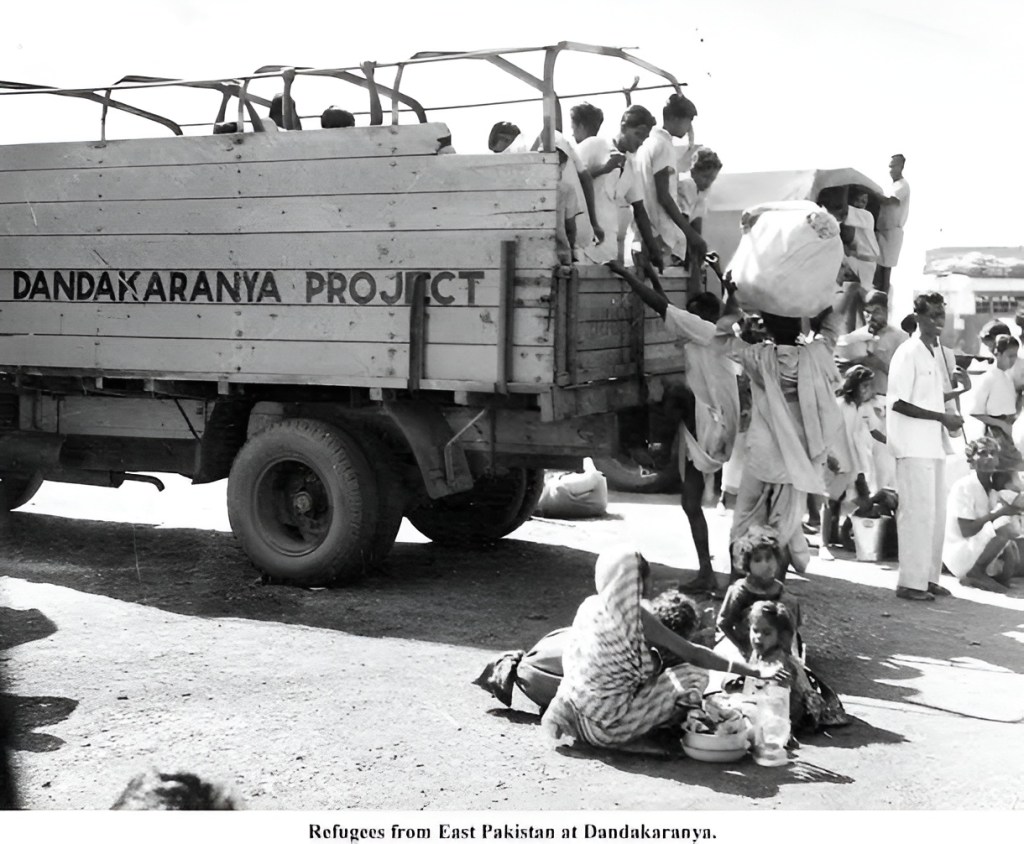
The left wing extremist movement took root here against this backstory of deep discontent and brewing tension, in the 1980s. Naxalites positioned themselves as defenders of the tribals against the oppressive state and its machinery, the Bengali settlers and dubious local contractors.
Following setbacks elsewhere at that time, new, more aggressive left wing extremist sub-groups sought unpoliced territories to re-establish their foothold. The geography of the place and the peoples’ history made Bastar ideal for it.
Original inhabitants of Chhattisgarh are predominantly indigenous tribal communities, Adivasis, who constitute about one-third of the state’s population – Gond, Baiga, Oraon, Kawar, Kamar, Korwa, Halba, and Bison Horn Maria. Their ancestors are believed to be originating from Africa, settling in the Indian subcontinent fifty thousand years ago, forming the base of the South Asian gene pool and modern day tribal groups, some of them mentioned above. So the connect to the Jal-Jungal-Jameen-Janwar (water-forest-land-animal) is not an overstatement; and the ensuing anger when that connection is threatened reasonable.
Whether one came in fifty thousand years ago, or took refuge reluctantly seventy years ago, or the left extremists followed by security forces during the early eighties, or even the civil society organisations and administrators after Salwa Judum – who can isolate their identity from this turbulent past? Especially as the formation of the district itself is rooted in these very identities. To naively believe that the conflict in the region is over, is a risky proposition.
The gritty response to the question of identity of the people, lay in a casual visit to one of the weekly Haats (local market) I made this time. Upon entry, the patch that connects the market to the main road is lined with vendors selling everyday utilities. There is a pleased-looking woman sugarcane juice seller calling you out. The sub-centre nurse also sits here for few hours, distributing supplements and pain killers. A little ahead, the market forks into two. To the right are over a hundred people, all men, gathered in anticipation of the start of the cock-fight. To the left are Adivasi women folk selling Ras (Mahua alcohol brewed in home based setups). Side by side are Bengali families selling Chakhna (snacks like chicken and fish fry) to go with the alcohol.
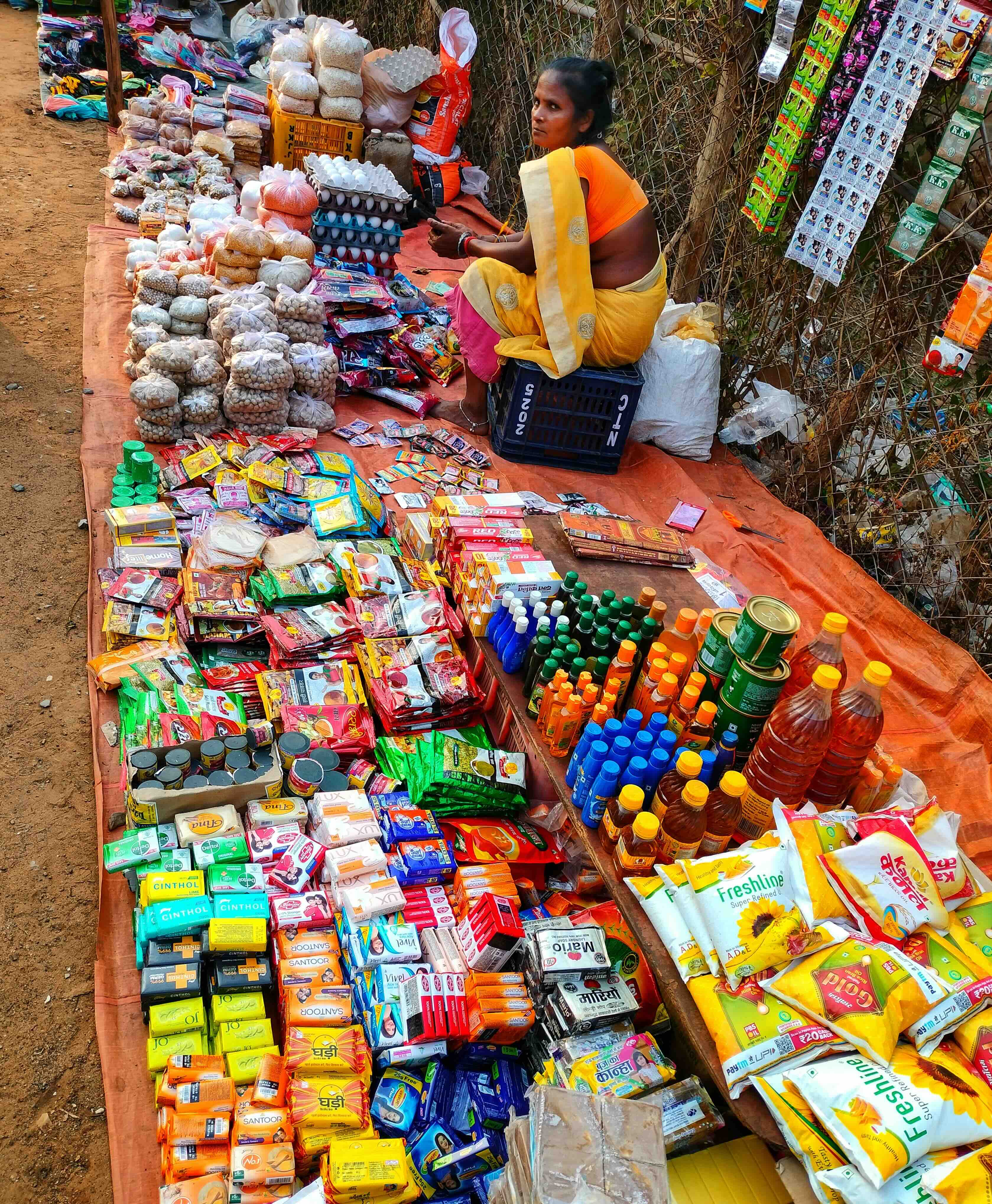
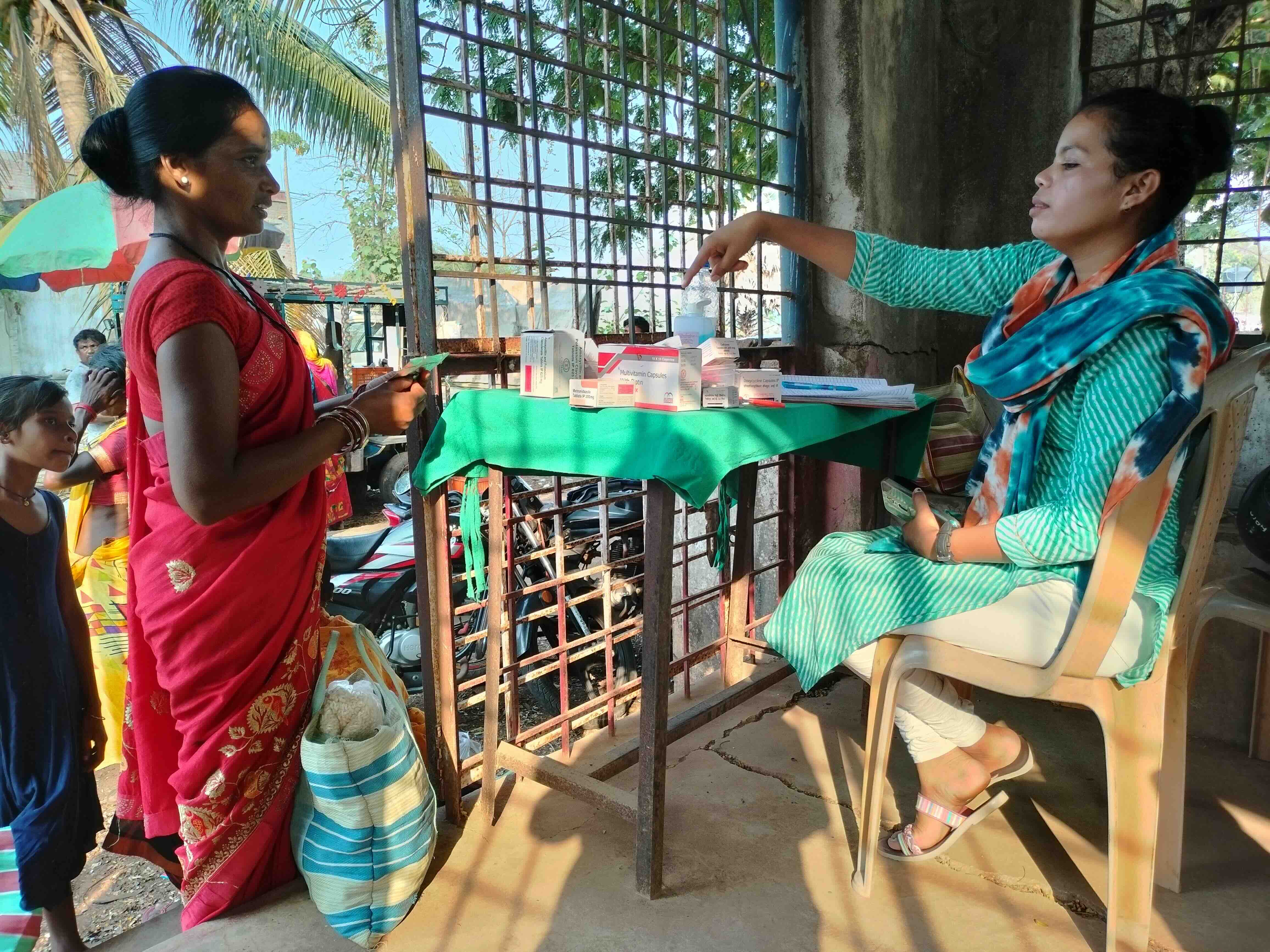
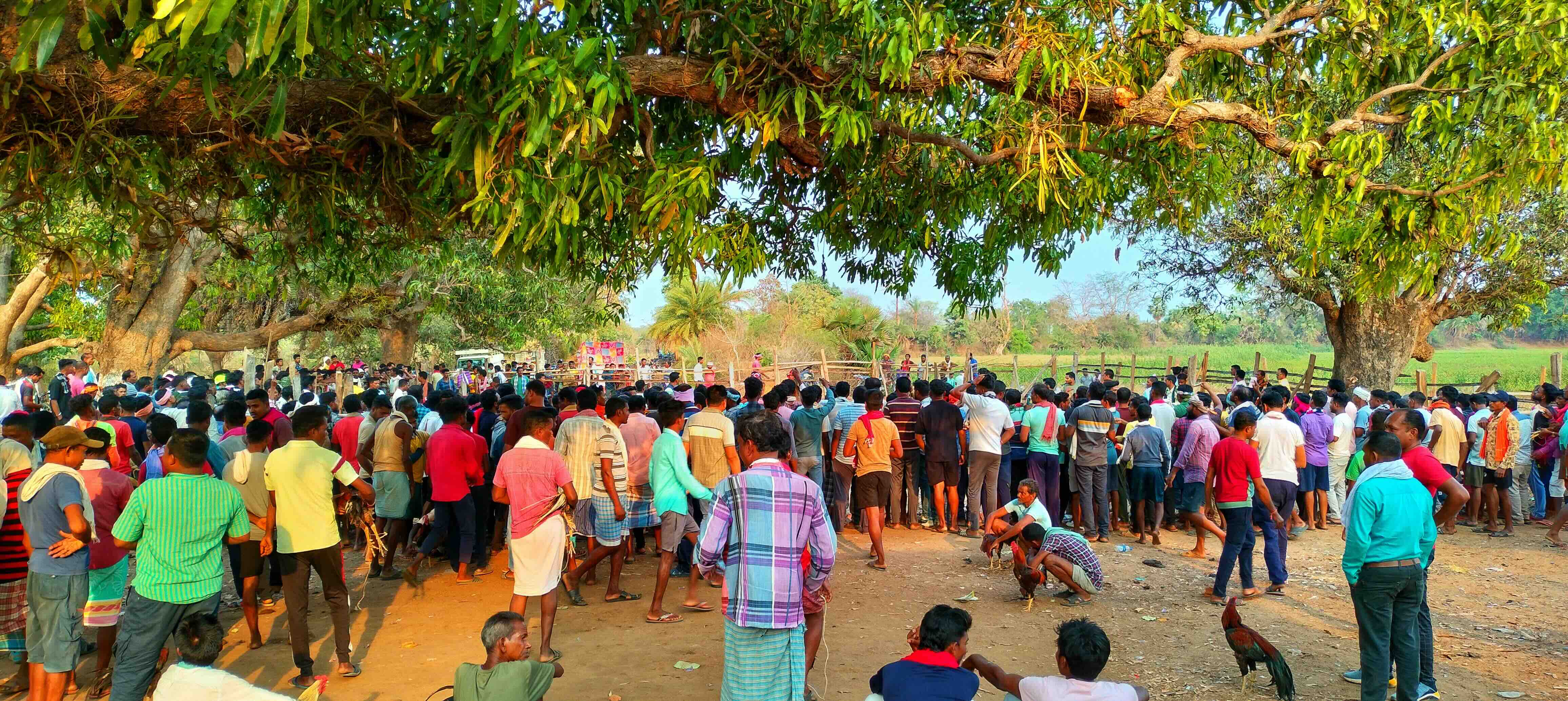
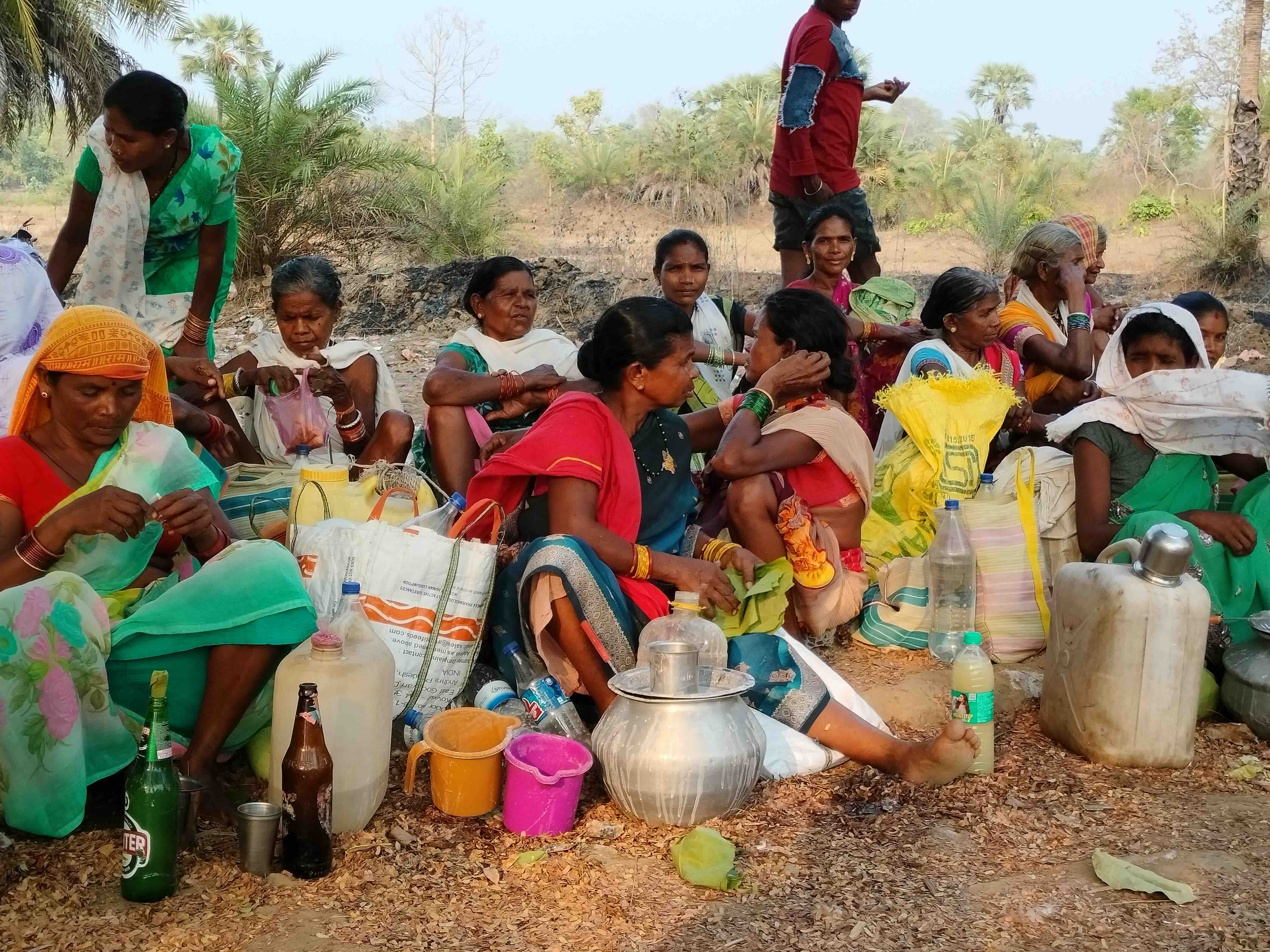
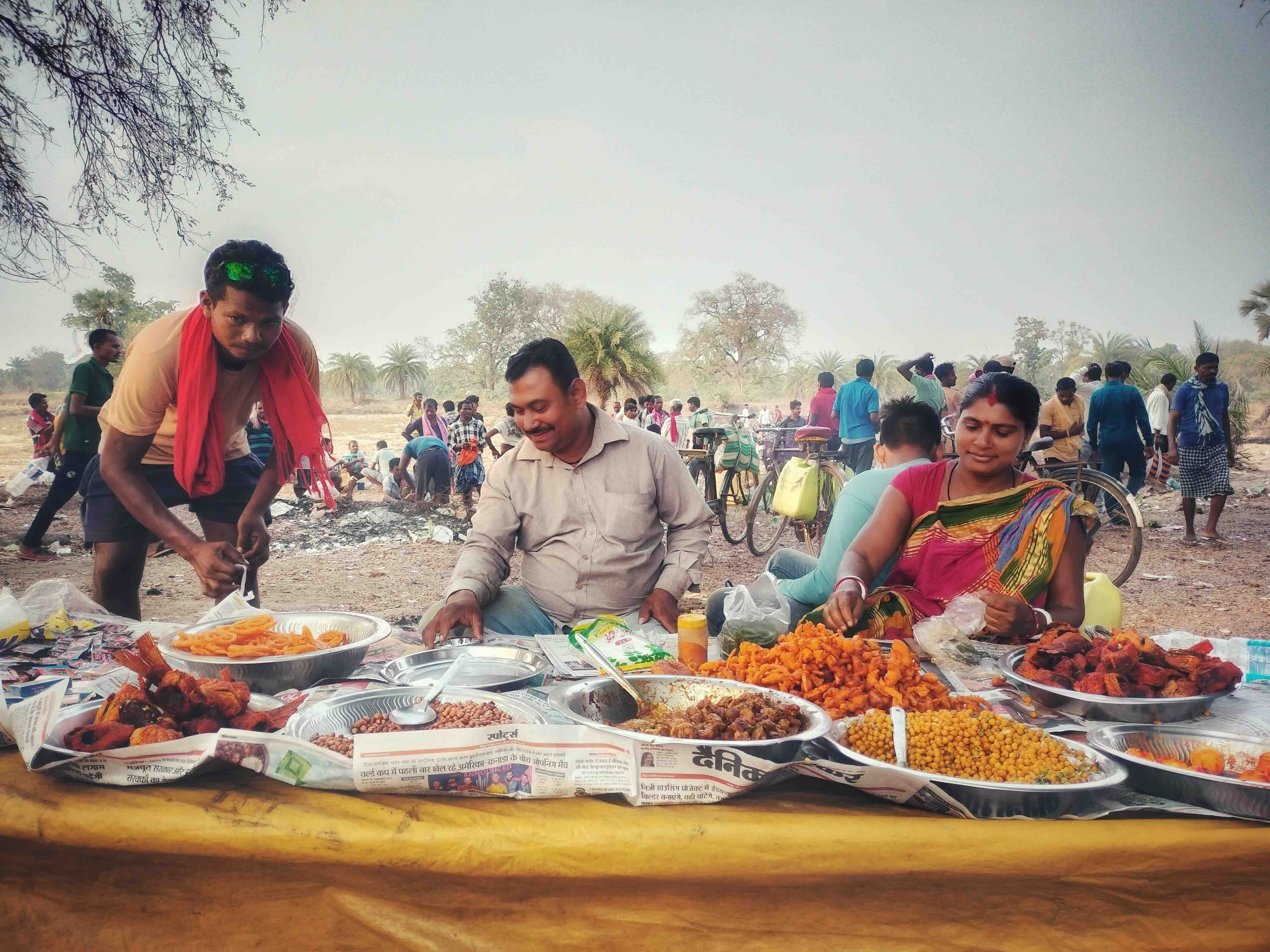
I pillion rode with Hari, a friend, into the market. We split. He headed to get us Ras in a couple of Donas (drinking bowls made by stitching leaves with twigs). I headed to buy fried chicken.
“Koto kore diyechen?” (How much for these, in Bengali)
No price discount was made for speaking the language, but their curious recognition did not miss me. I could say, they instantly evaluated – she speaks the language, but is an outsider. The couple were approximately my age, entering mid-life. Their grandfathers or fathers would have settled here, depending on when they came in; post partition or during the Bangladesh war, respectively. I belong to the Hindu Kayastha6 (upper caste) group. That my grandfathers too came in during the partition and given their birth-lottery, quickly found themselves in a refugee camp bang in the heart of the mega city of Kolkata; unlike theirs, who were shoved to Dandakaranya. That I spent the first two decades of my life without thinking about my caste. That I still do not know what my sub-caste is…
I did not tell them any of these. These are not mulling you confide in strangers during an economic exchange in a busy market. Hari had also returned with his purchase by then. Both, the Ras and Chakhna sellers confirmed, “One is incomplete without the other” … referring to their respective items that is.
During that bus ride in 2016, what was otherwise an uneventful sleep of few hours, the brakes applied by the driver woke me up. Seated next to me was my colleague, Nikita, eyes closed. As I adjusted my glasses to take in the surrounding in the wee hours, I had to wake her up. A swarm of men in military clothes, not less than thirty of them, were emerging from the forested cover, scanning with their detectors for landmines in the patch our bus was to cross. Everyone waited in silence. I pondered how Shiksharth7, the organization we were headed to, operated here.
After ten minutes, the bus continued on its route. We had entered Sukma.
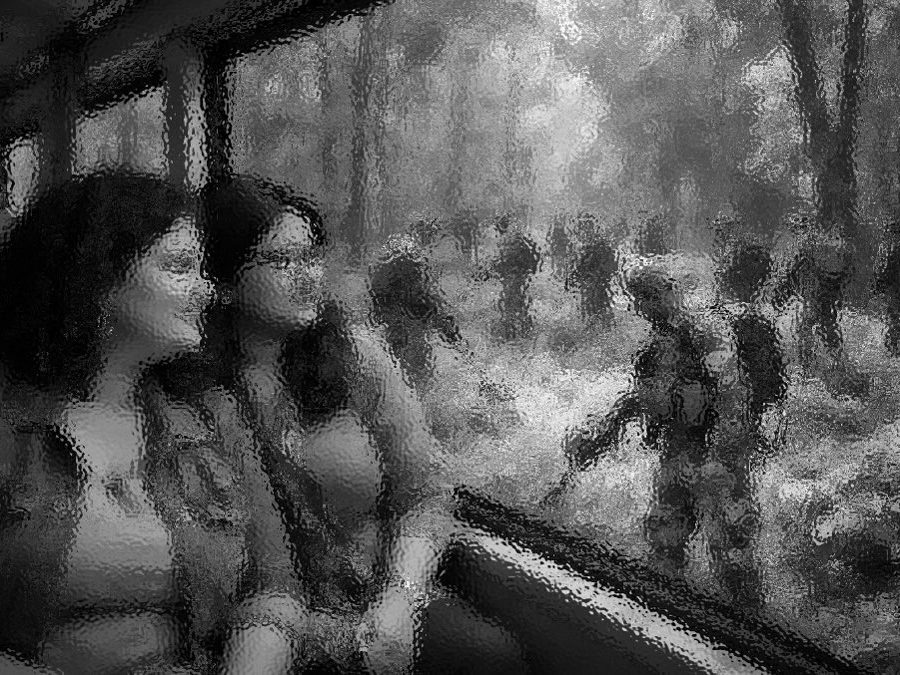
Cut to 2024. After the time spent in the market, dusk set in. Tipsy with a bit of Ras in our system, the breeze steadily growing stronger and the bike speeding against it; I reminisced about another trip on this highway.
So much had occurred. Eventually, thirteen young people, including Hari, took up the fellowship we offered to them; seven completed it. All of them, under Shiksarth’s guidance, worked at various leverage points on the district’s comprehensive education development plan. The fellowship was coming to a close and I thought of the many ways in which the lives of these young people might have been touched and altered.
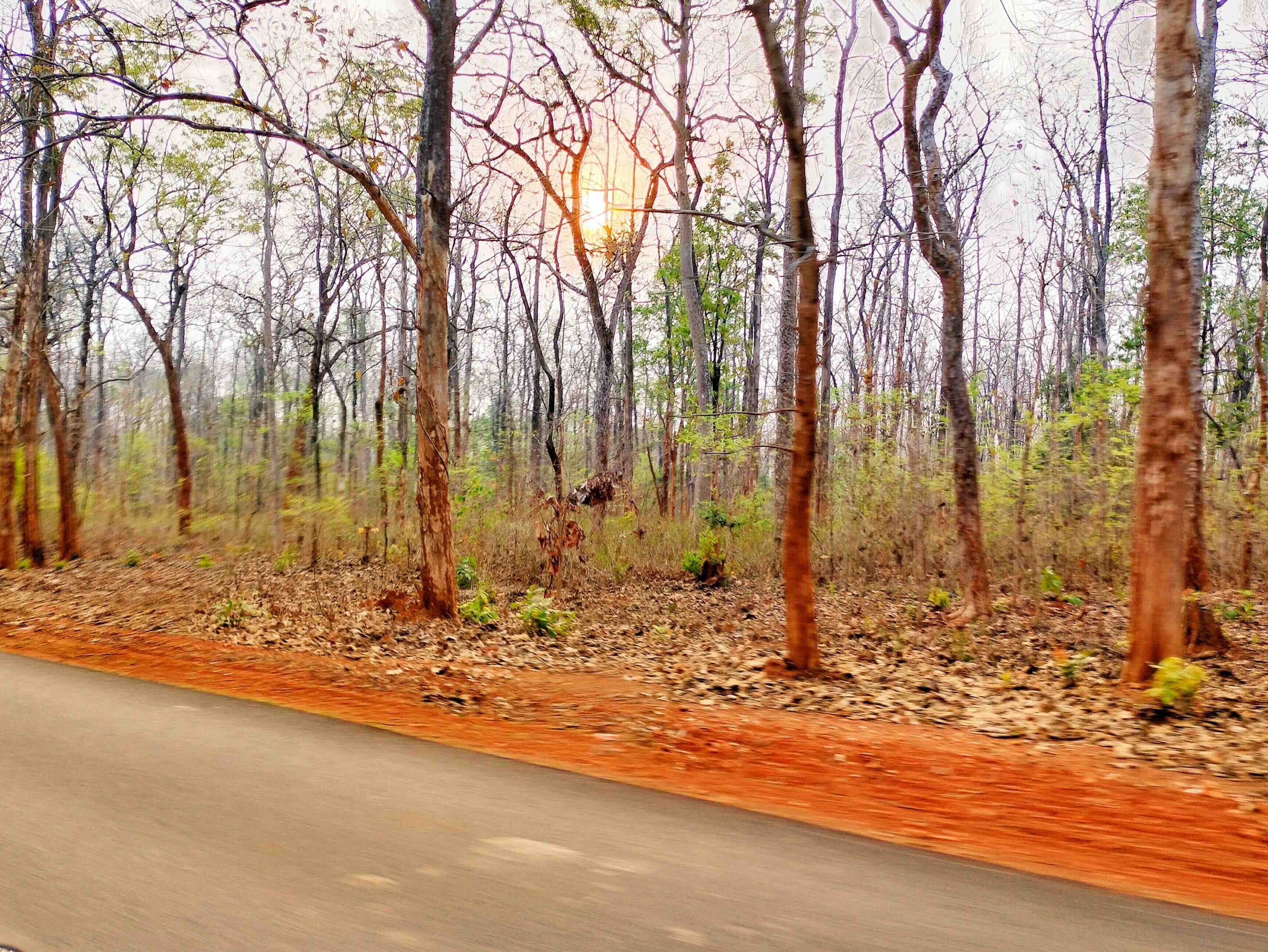
I thought of how my own rendezvous with Sukma had shaped my experience of India and circles back to my identity. Above all, I thought of the many people here. Did they benefit in any way from all of this? Hari’s voice interrupted; pointing towards a neat and decorated public infrastructure ahead of us,
“You recognize that?”
“Should I?”
“That is the Pakela Porta Cabin”
“Oh! It has changed so much from when I visited it last time around…”
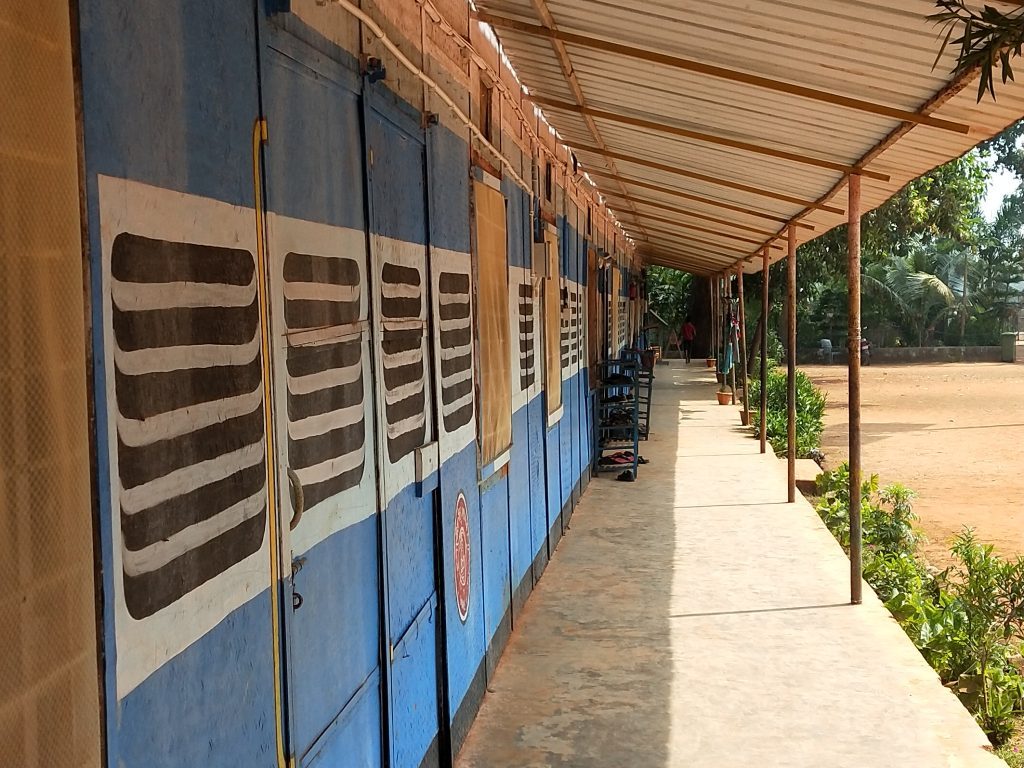
The Pakela Porta Cabin designed as the Rajdhani coaches of the railways- one of the 60 Porta Cabins in the region that was upgraded to permanent structures and continues to focus on improved quality of primary education. Photo credit: Rohith Ranjan, a fellow who worked here in 2020-21
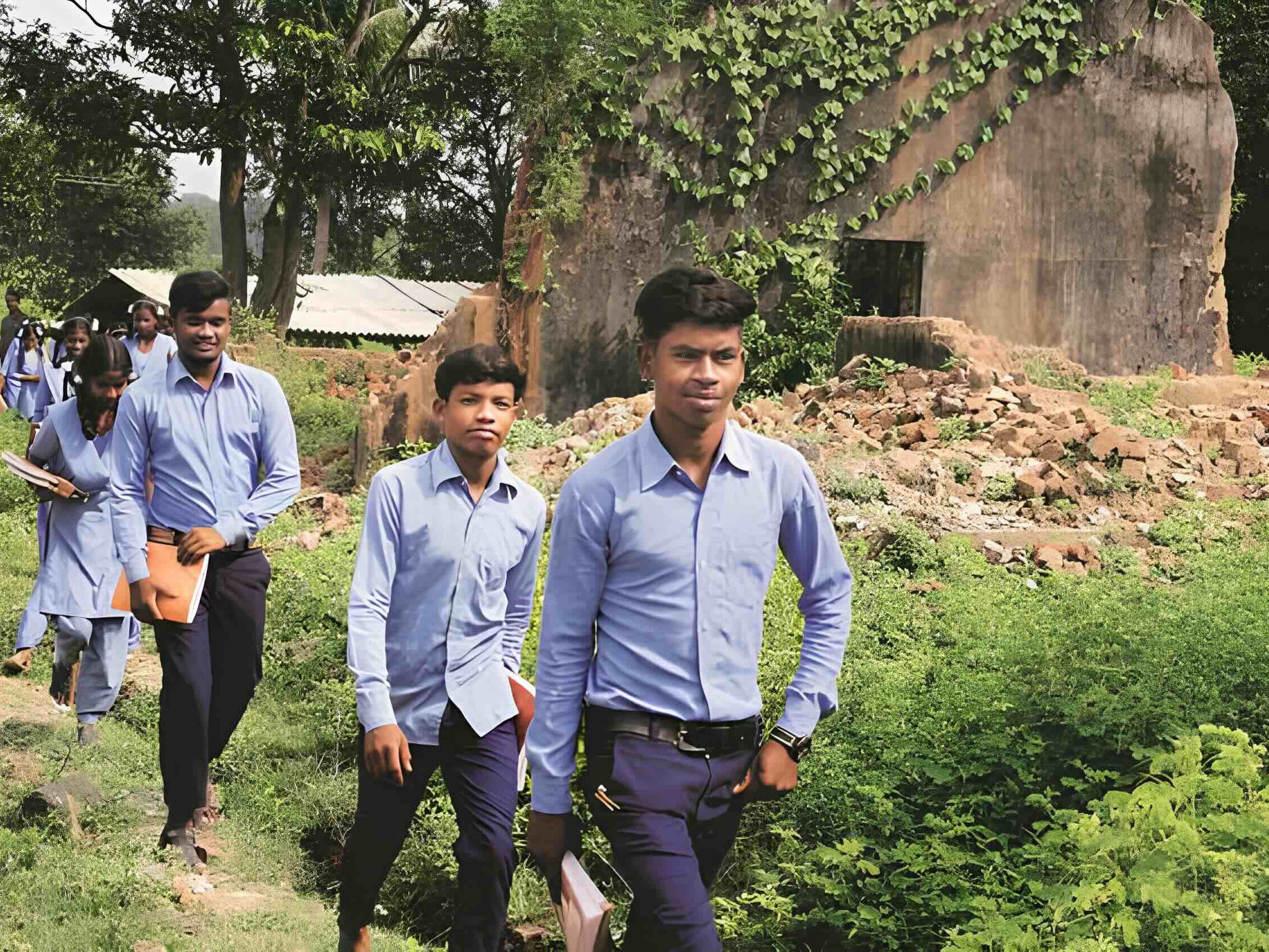
Students walk past a school in Jagargunda in Sukma, one of the 123 schools in the region destroyed during Salwa Judum. The administration claims to have revived 91 of these schools. 16 of the original residential Porta Cabins continue to operate now. Photo credit: Praveen Khanna for Indian Express
Further Reads & References
- Understand the SC Verdict on Salwa Judum – Medha Chaturvedi, Institute of Peace and Conflict Studies, July 2011
- Understand Schooling For Democracy In Naxal-Affected Areas Of Chattisgarh – Prasun Goswami and Raunak Shivhare, Outlook, May 2024
- Understand the current nature of the conflict in the region in this article – AlJazeera, May 2025
- Understand politics of the Dandakaranya Project at Refugees in Dandakaranya – K. Maudood Elahi, The International Migration Review, Vol. 15, No. 1/2, pp. 219-225
- Red Ant Dream, a documentary on the conflict in the Bastar region – Sanjay Kak, Youtube, 2014
- The Burning Forest: India’s War in Bastar – Nandini Sundar’s book, Juggernaut Publication, 2016
Footnotes
- The term Naxalite comes from Naxalbari village in West Bengal, where a 1967 peasant revolt against landlords began. They follow Marxism-Leninism-Maoism, believing in armed revolution and guerrilla tactics, similar to Mao Zedong’s strategies in China. The main active group is the Communist Party of India (Maoist), formed in 2004 by merging earlier factions ↩︎
- Meaning ‘peace march’ in Gondi language, was a state-sponsored armed militia of local tribal youth in Chhattisgarh, created in 2005 to fight the Naxalite-Maoist insurgency. The movement received direct training, arms, and support from the Chhattisgarh state government ↩︎
- In an open letter addressed to citizens and published by the Economic and Political Weekly (Vol 42, Issue no. 01, 6 Jan 2007), the then-General Secretary of CPI (Maoism), Ganapathy, had justified demolishing school structures, stating those structures were built with the motive of unleashing torture on Adivasi villagers rather than for continuing the education of children ↩︎
- Originally referred to as Chandals, they were considered ‘untouchable’ by upper-caste Hindus and occupied a low social status. They are considered to be an indigenous, non-Aryan group of the Bengal delta ↩︎
- Derived from the Sanskrit ‘Dandaka’ for punishment and ‘Aranya’ for forest, it is renowned as the 14-year exile home of Rama, Sita, and Lakshman ↩︎
- Historically literate upper-caste community in India, traditionally employed as scribes, administrators, and record-keepers ↩︎
- Shiksharth, the not for profit organization which has been working in the region since 2016, who hosted all the thirteen fellows and has been the ground for the exposure and learning for the author as well. You can learn about Shiksharth’s courageous journey here ↩︎
Story and photographs (where no credits are mentioned, including the cover photo) are by Anupama Pain
 Chabutra
Will love to hear your thoughts on the topic here