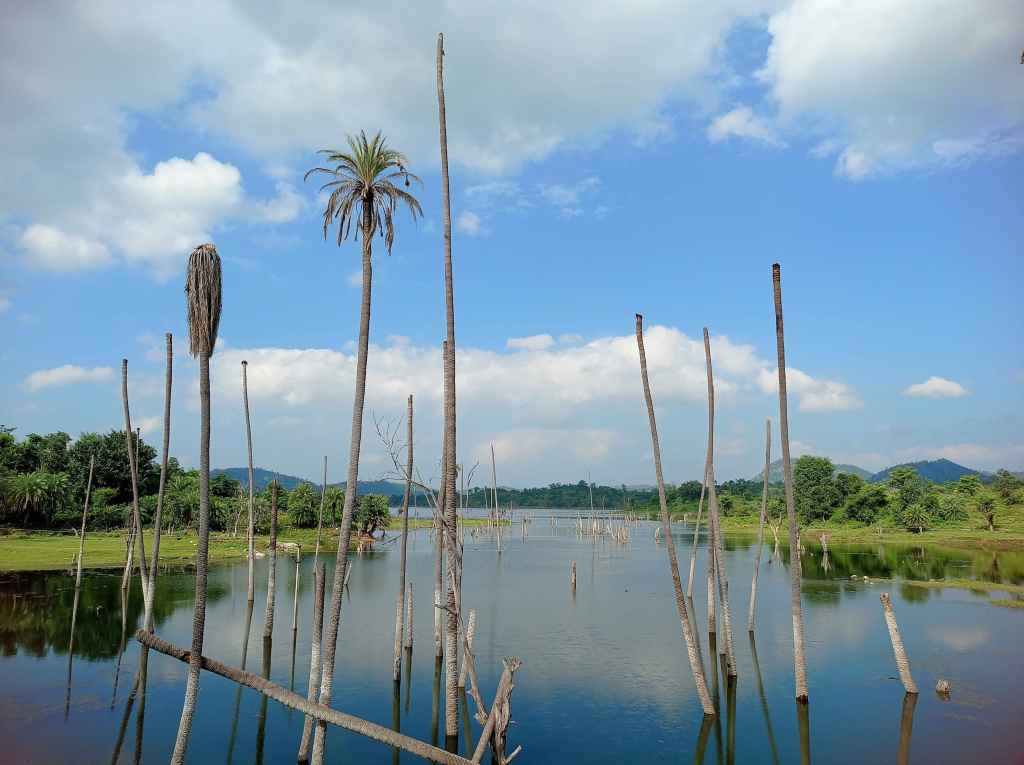
Kotra in Udaipur district of southern Rajasthan, is a tribal area where 95% of the population belong to Bhil and Garasiya tribes. 39% of the land is under forest cover. We, the authors, worked for two separate non profit organizations in the region across a four year interval, and this piece delves into one of the many interesting social practices rampant in the community here.
This one is called the Ver Pratha or Mautana.
“अरे बहुत ख़राब चीज़ है| तुम हमेशा सावधान रहना, कहीं मौताणा न देना पड़ जाए|” (It is a terrible thing. Always be careful. Else you might get entangled in paying Mautana)
A colleague warns Sharmishtha in her early days in Kotra
During my field visits, I heard about a case where the family members of a girl, who had died while giving birth, were not ready to cremate the girl’s body and were asking for Mautana, as they believed that she died due to the negligence of her partner’s side of the family. The body was not cremated until a settlement was reached between the two families. It took them six days to arrive at a consensus.
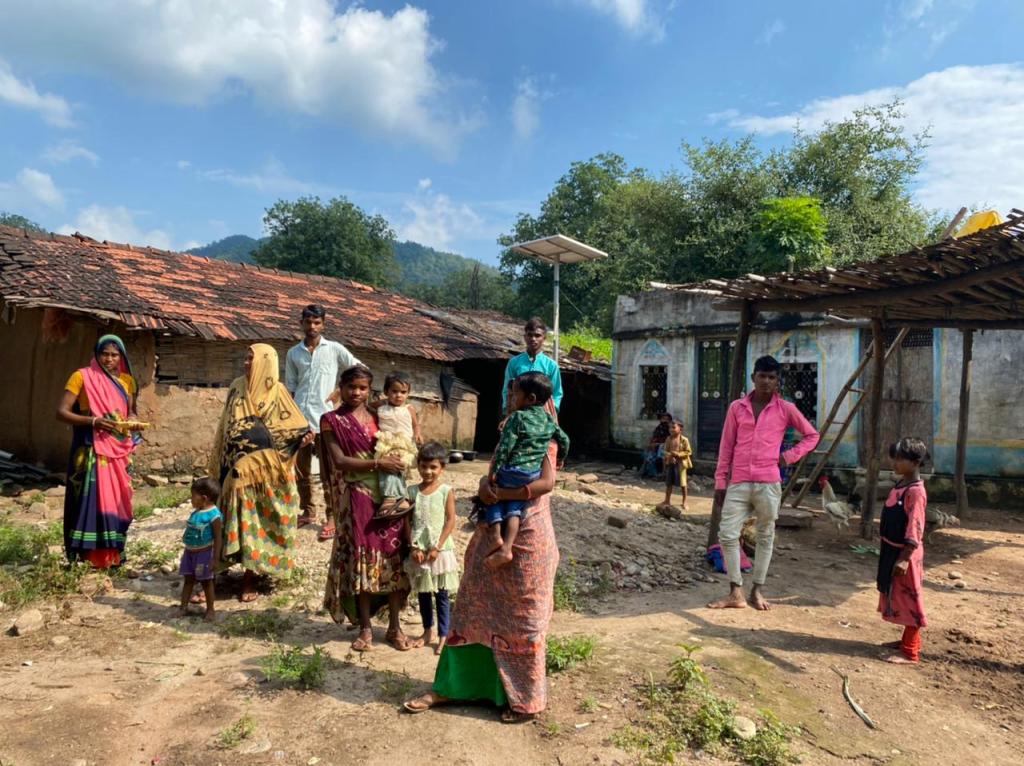
Southern parts of Rajasthan and northern parts of Gujarat in western India in home to the Bhil and Garasiya tribe. Mautana is a traditional justice system for solving of disputes. These non agrarian tribal communities are primarily dependent on forest by products and animals for their livelihoods.
The term Ver means to compensate someone of one’s loss. Similarly, Mautana is composed of two words: maut (death) and ana (money). Together, they mean the money offered against death.
“When I heard of Mautana for the first time, a lot of questions fogged my mind about the origin of this custom and if there was any State involvement. The next day, I met Dharmachand Khair, convener of a local collective of tribal people called the Adivasi Vikas Manch. The moment I saw him, i was assured of some reliable narrative.“
Akash, on finding someone who would be able to tell him about the practice
According to Dharmachand ji, this custom goes back to several centuries, when the community was completely dependent on forests. Tribe members would often attack each other in the scurry for resources. Because of this, many people lost their lives. In order to maintain regional peace and brotherhood amongst the patrilinear clans of the region, when one of their members was killed, the tribe would gather to discuss the death after the funeral of the deceased. It was then decided that the person who has killed the deceased, would give livestock to the deceased’s family. Once that is done, the people gathered for the meeting would end the matter by eating some jaggery.
The compensation is to be provided by the accused party to the family of the victim. It is said that the practice was started to secure the sufferer against any financial loss that they would bear because of the death of their family member. In a tribal family, often the entire family is involved in earning livelihood, right from a toddler to a sexagenarian, and so each one is financially important. It also acted as a deterrent to help the community in mitigating crimes involving feuds, spats or murders.
Over Time …
Gradually, the size of these tribes increased. So, they started living together in mixed clan villages. People of other castes also joined. When money came into circulation, the compensatory payment started happening in cash instead of cattle. Over time, there were intended and unintended consequences of the Ver Pratha. With needs of the community on a rise and unemployment prevalent, the practice became a way of extracting money, so much so that people would be seen resorting to violence to attain Mautana.
If the body of the deceased is found in someone else’s village, field, or house, then the owner of the property is asked for money. If a person is believed to have been murdered, a huge amount is demanded from the culprit. And, there is no choice but to pay. If they do not have money, they can give away their land, house and/or animals like cows, buffalos and oxen. Under any circumstances, if the accused is unable to pay then they are forced to leave the village. This has become the way of life in Kotra. Even occurrences that are not concerned with unnatural deaths are now being twisted for this purpose. Some examples in recent times where Mautana is being seeked include:
- A woman dying while delivering a baby – her partner’s family is expected to pay the bride’s family
- If a farm animal hits someone passing through someone else’s fields and the former dies, the owner of the animal compensates the family of the deceased
- Death during an emergency
- If a woman dies while visiting her relatives, the household where she was visiting would be required to give the compensation to her family
- If an animal is killed by someone, the owner needs to be compensated
Diving In Further
To understand the practice better, here are some more associated sub-practices.
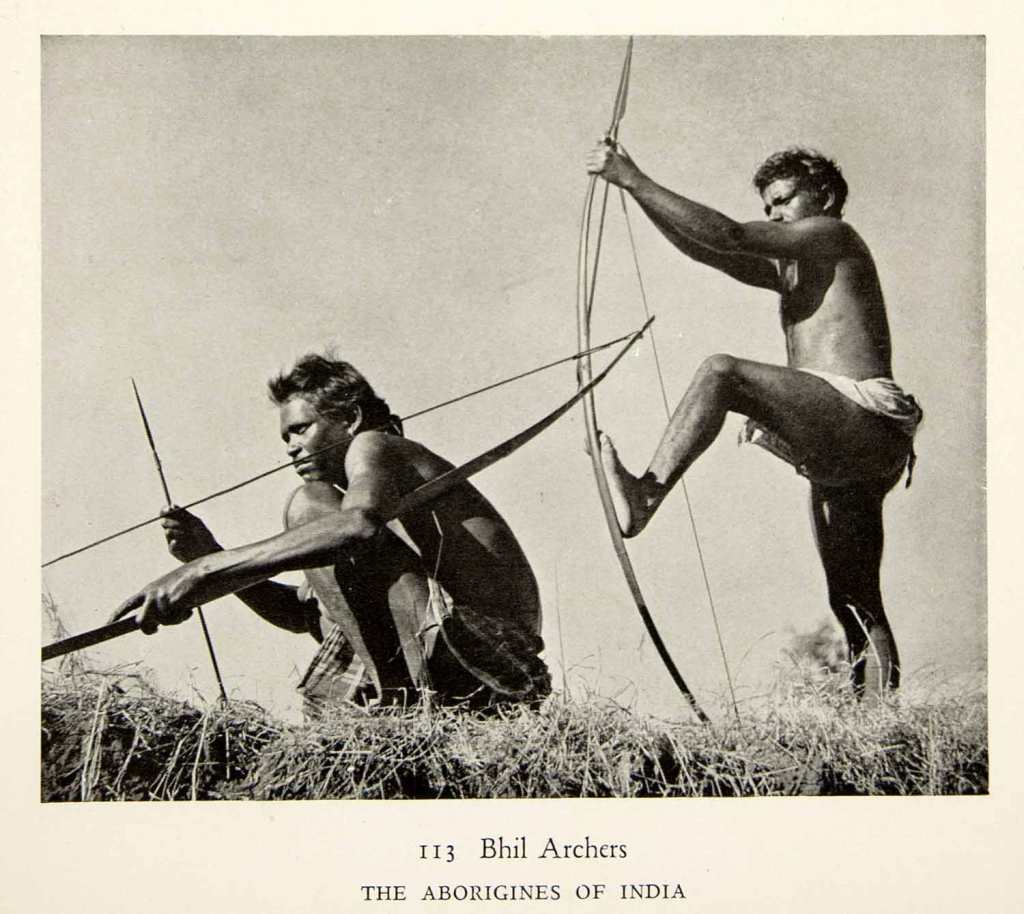
Chadotara: When a community receives the news of the death of a person from their clan, the men unite and march together, with bows and arrows, some of them beating the drums, in mourning. They go to the place where the body of the deceased lies, and stop a few meters away. One of them asks an unbiased person from the site to investigate if the death is natural or otherwise. If it is unnatural, then the group asks for Mautana. If the accused person/group refuses for the settlement or flees away from the site, then the marching group attacks the property and destroys or confiscates all that belongs to them. This act is called Chadotara.
Middlemen: It is said that the practice has been made corrupt by local politicians and middlemen who instigate the parties or groups to demand compensation for their loss. It has been seen that after the settlement is reached, these middlemen benefit largely as they take a cut of upto 50% of the settlement amount.
Exchange: Earlier Mautana was paid in the form of cattle or crop produce and the settlement was done keeping in mind both the parties involved in the dispute. Seven calves were earlier considered as the maximum amount. However, these days the compensation is made in the form of cash where the amount ranges from a few thousands to several lakhs of Indian rupees. Not only this, it is not just the family of the accused, but the entire community that has to bear this burden.
Protest: The parties, in order to stage protest for compensation, resort to undignified acts. The dead bodies of the deceased are not burnt until a settlement is reached which may take up to a few days, weeks or sometimes even months. It was reported a year and half ago, that a boy had gone to meet his sister on the occasion of Rakshabandhan (a festival celebrating the bond between sister and brother) where he died an unnatural death. In order to claim the compensation, the family of the boy did not cremate the body for seven months.
The Repercussions
Nand Lal Meena, former Tribal Area Development minister of Rajasthan stated, “This is the tradition of our ancestor it can’t be abolished.” On the other hand, State Human Rights Commission Chairman Justice (Retd) Prakash Tatia stated, “The corpses also have rights, if the family does not perform the last rites for compensation or their demand, then the government should do it”. He said that bargaining over a dead body violates the limited rights of the deceased and should be declared a cognizable offence.
International Journal of Research and Analytical Reviews – Study on Tribal Justice System
- The family as well as the clan have to mortgage their lands and homes in order to compensate, which leaves them with nothing
- It is mostly the children, elderly and women who suffer the most from this practice as men usually flee away from the site, abandoning them. The families have to take shelter in the forests as most of their property gets confiscated or destroyed
- Loss of habitat also comes with the loss of animals. They are abandoned and most of the cattle die due to lack of care
- Mautana has been said to be the primary reason why people in the area do not consider building a cemented house as they live in the fear that they may have to leave the house any day and take shelter elsewhere
- The children are unable to attend schools for months and are left with no choice but to drop out and start working outside the region
While the practice is not criminalized yet, even with that, cultural practices are intricately tied with the region and the people. An intervention by the State runs the plausible risk of being seen as a modernist interference and enforcement officials who may often come from the same culture, mixed with corruption, have a complex stake holding in such matters. So Mautana and Chadotara are not vanishing overnight, yet.
Further Reads & References
- An article published in December 2023 in The Hindustan Times can be read here
- Study on Tribal Justice System: Mautana – International Journal of Research and Analytical Reviews
- Story: Sharmishtha V and Akash Tanpure who lived and worked with local non profit organizations in Kotra in 2018 and 2021 respectively.
- Editor: Anupama Pain, Chabutra Team
 Chabutra
Leave a comment